

The rise and fall of gambling through the ages
Ancient Beginnings of Gambling
The origins of gambling can be traced back to ancient civilizations where it served as both entertainment and a means of decision-making. Archaeological evidence shows that the Chinese were playing games of chance as early as 2300 BC, utilizing rudimentary dice made from animal bones. Similarly, the Greeks and Romans integrated gambling into their cultural fabric, often associating it with competitions and festivities. In these early societies, gambling was not viewed solely as a vice; it was a social activity that fostered community bonding. Today, platforms like Westace continue that tradition in a modern setting.

In addition to dice games, early card games emerged in various regions, including the mysterious origins of playing cards in China around the 9th century AD. These developments laid the groundwork for the diverse gambling methods we see today. The Romans even had a goddess of chance, Fortuna, highlighting the cultural significance of luck and fortune in their lives. This multifaceted relationship with gambling continued to evolve, weaving itself into the social, economic, and political landscapes of these civilizations.
As civilizations progressed, gambling became more structured, with the establishment of laws and regulations surrounding its practice. This transition marked the beginning of a complex relationship between gambling, society, and governance. While early forms of gambling were often unregulated, as societies grew, the need for oversight emerged. This laid the foundation for future developments in gambling laws, which would play a crucial role in its rise and fall over the ages.
The Middle Ages and Gambling’s Transformation
During the Middle Ages, gambling experienced a transformation as it became increasingly linked to the concept of morality. The church’s influence grew, leading to restrictions on gambling activities. Despite these prohibitions, gambling did not disappear; rather, it adapted. The introduction of lotteries in the 15th century provided a state-sanctioned outlet for gambling that was deemed acceptable. These lotteries were not only a source of entertainment but also a means for governments to fund various public projects.
Additionally, card games gained popularity during this period, leading to the establishment of gambling houses and taverns. People gathered in these venues to engage in games like poker and blackjack, which began to emerge in their modern forms. The clandestine nature of gambling during this time fueled its allure, as players often took risks against the backdrop of social and religious condemnation. This dichotomy between the thrill of gambling and societal disapproval laid the groundwork for its complex legacy.
The Renaissance ushered in a new era where gambling was increasingly accepted among the elite. The development of more sophisticated games and the introduction of gambling as a form of entertainment for the nobility contributed to its popularity. This period marked the beginning of organized gambling establishments, further embedding gambling into the fabric of social life. Yet, with acceptance came the seeds of future decline, as gambling’s associations with vice and addiction began to emerge more prominently.
Modernization and the Golden Age of Gambling
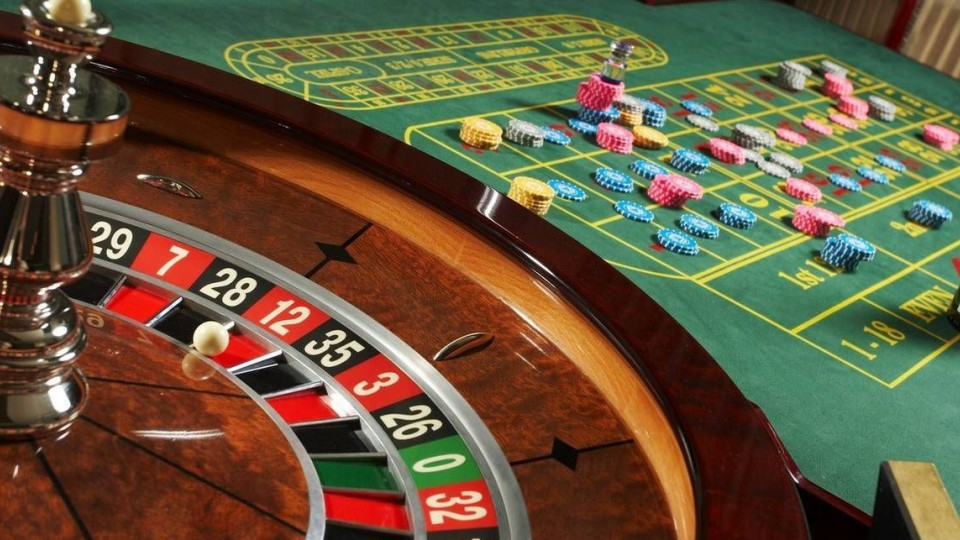
The 19th century saw gambling enter a golden age, particularly in Europe and America. The establishment of casinos in cities like Monte Carlo and Las Vegas attracted wealthy patrons eager for thrilling games of chance. Innovations such as the roulette wheel and slot machines transformed gambling into a mainstream activity, drawing in a diverse clientele. The allure of lavish casinos and the excitement of high-stakes games made gambling synonymous with glamour and entertainment.
This era also witnessed the legalization of gambling in various forms, including horse racing and sports betting. Governments recognized the potential for revenue generation and began regulating these activities. The advent of the modern lottery system further legitimized gambling, providing an avenue for citizens to engage in games of chance with the possibility of winning substantial prizes. This blend of regulation and entertainment led to an unprecedented boom in the gambling industry.
However, this boom was not without its drawbacks. As gambling became more widespread, concerns about addiction and fraud emerged. The darker side of gambling began to surface, leading to calls for stricter regulations and oversight. While many enjoyed the thrill of the gamble, others found themselves ensnared in a cycle of debt and despair. This juxtaposition of excitement and peril foreshadowed the challenges that would lead to the fall of gambling in subsequent years.
The Downfall of Gambling and Social Backlash
The latter half of the 20th century marked a significant shift in societal attitudes towards gambling. Increased awareness of gambling addiction and its social consequences led to a backlash against the industry. Reports of financial ruin and family breakdowns associated with problem gambling garnered media attention, prompting public outcry and calls for reform. Governments began implementing stricter regulations, and various organizations emerged to advocate for responsible gambling practices.
As a result, many jurisdictions imposed limits on gambling activities, leading to the closure of numerous establishments. The stigma surrounding gambling grew, with many viewing it as a moral failing rather than a form of entertainment. This social backlash had profound implications for the industry, as operators struggled to adapt to changing perceptions. The once-glamorous image of gambling gave way to a more cautious approach, focusing on player protection and responsible gaming.
Despite these challenges, the gambling industry began to pivot in response to societal concerns. Initiatives aimed at promoting responsible gambling emerged, with operators implementing self-exclusion programs and awareness campaigns. While the reputation of gambling took a hit, the industry sought to regain public trust by emphasizing player safety and responsible gaming habits. This evolving landscape illustrates the ongoing struggle between the allure of gambling and the societal responsibilities that come with it.
The New Era of Gambling at WestAce Casino
In the modern digital age, gambling has evolved significantly, with online platforms transforming how people engage with games of chance. WestAce Casino, launched in 2023, exemplifies this shift by offering a wide selection of slots and live games that cater to both casual and serious players. The platform’s design emphasizes ease of navigation, allowing users to effortlessly access promotions, payment options, and various gaming categories.
WestAce Casino is committed to providing a safe and enjoyable gaming experience, prioritizing responsible gambling. The platform offers tools for players to manage their gameplay, including self-exclusion options and access to support resources. This approach not only aims to enhance the gaming experience but also fosters a community of players who can enjoy their pastime responsibly.
By merging innovation with a commitment to player welfare, WestAce Casino represents a new chapter in the long history of gambling. As technology continues to advance, the platform aims to meet the evolving needs of players while promoting a culture of responsibility. Join WestAce today to explore exciting betting possibilities, all while prioritizing a safe gaming environment.